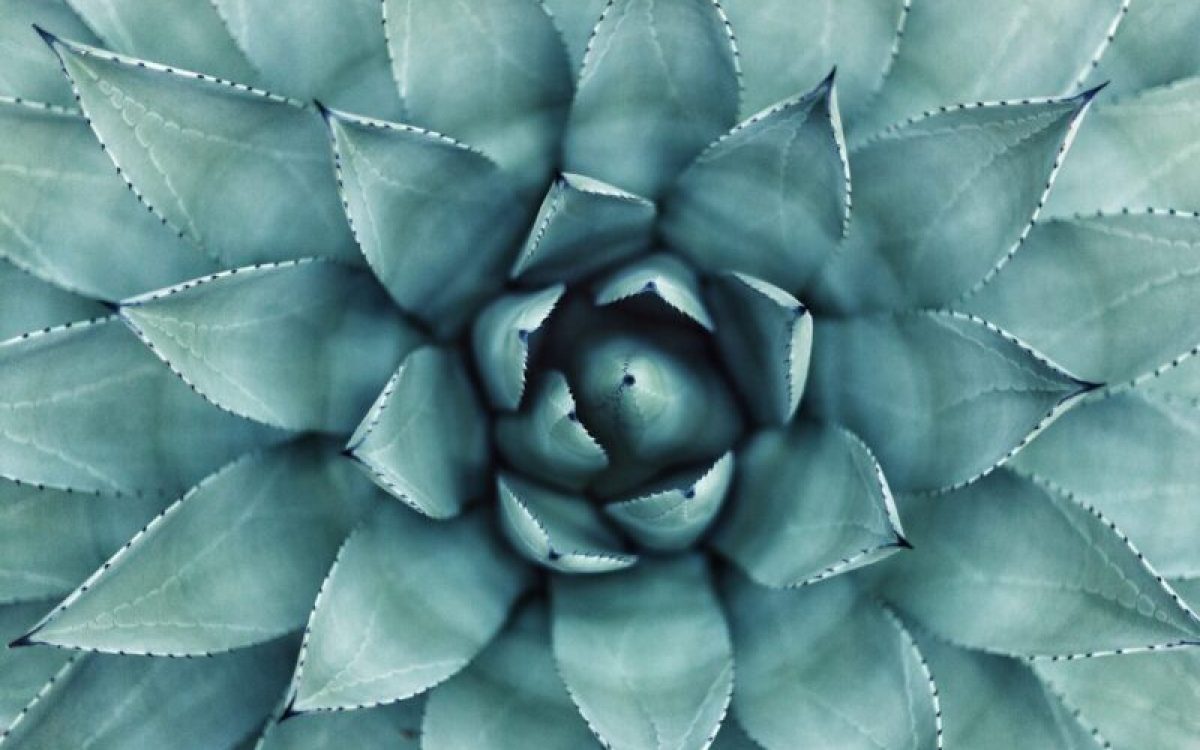
Mexico is a land known for its lush, attractive vegetation. But on the outskirts of its most arid and desert regions, you’ll find a plant species full of mystery and surprises: the blue agave.
Also known as agave tequilana (tequila agave), blue agave is a succulent plant highly prized in Mexico for its many virtues. So, would you like to know a little more about the secrets of this Mexican plant? Find out, absolutely everything, in the following lines…
History and description of blue agave
According to historians, the discovery of blue agave dates back 12 million years. In fact, 700 years BC, an Otomi woman was using it to make fibers. According to the annals of Cuauhtitlan, this happened in a Mexican region known at the time as Texcalapan.
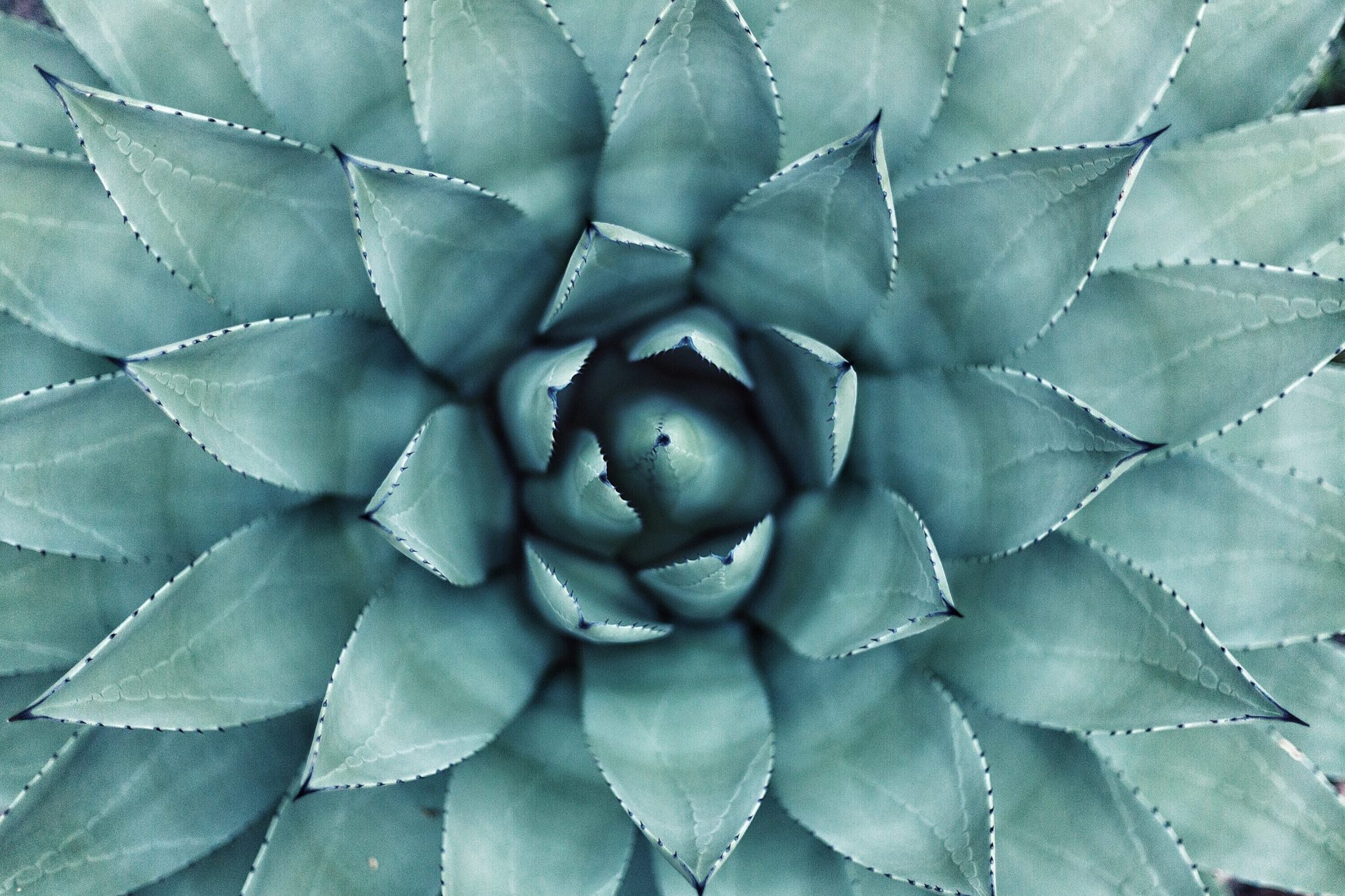
This shows that stories about the virtues of agave have been passed down from generation to generation in Mexico. In addition to the production of Mexican beverages, blue agave is used for many other things in Mexico. But what does this plant look like? When you venture into the desert lands of Mexico, you won’t be able to miss it. Agave is made up of narrow, elongated leaves, forming a plant that grows between 1.20 and 1.80 m thick.
In addition, the leaves are characterized by their strong blue accent. Hence the name blue agave. The rosette of leaves also features sharp spines. This is no picnic for gardeners. After ten years, the leaf rosette grows and reaches its full potential. When mature, the leaves of the blue agave can grow up to 7 m high. Finally, note that the nectar found on the flowers of the agave tequilana is entirely transformed into pollen by a local bat.
Possible uses of blue agave
Agave is a plant species with unlimited virtues (like many Mexican fruits). As a result, this plant is multi-purpose.
Some use it primarily to add flavor to the decoration of their living spaces. Others, on the other hand, extract sugar from tequilana agave because of its importance in the production of certain medicines.
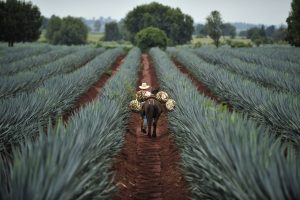
But blue agave owes its fame above all to the manufacture of tequila. Indeed, Mexico’s most famous drink is made from tequilana agave. This is why this variety of agave is cultivated as far as the eye can see in many Mexican regions. It should be pointed out, however, that only five Mexican states are legally authorized to manufacture and market tequila from blue agave: Michoacan, Tamaulipas, Jalisco, Nayarit and Guanajuato. In addition to tequila, agave syrup is also used to produce other alcoholic beverages, including Mezcal.
Last but not least, agave leaf fibers are still highly prized in the manufacture of clothing.
Where does the blue agave live and what are its characteristics?
Blue agave, whose scientific name is Agave tequilana , is a monocarpic plant (i.e., after flowering, it dies), native to southern North America, found mainly in Mexico. It forms a rosette of leathery, bluish-green, almost grayish leaves, with edges armed with small spines, about 60cm long.
Produces its flower stalk in late winter/early spring, some time after the age of six. This stem will measure several meters, from 2 to 3 depending on the conditions of its habitat and the space the plant has had to develop. The flowers are greenish, a little yellowish, and are produced in large numbers. Many of them fall off before being pollinated, but this is not a problem, as the specimen leaves numerous suckers before dying.
Is it possible to grow blue agave at home?
Growing agave requires a number of conditions to be met. First and foremost, agaves can only grow in semi-arid climates. Agaves cannot tolerate temperatures below 5°.
In addition, it’s best to grow them in a large plot with sandy, arid soil. Note that it’s not advisable to sow the seeds deeply when planting them. Ideally, we recommend using seedlings or cuttings.
Last but not least, don’t water too often. The moisture in the soil could destroy your entire crop. So now you know just about everything there is to know about the secrets of blue agave!
How to grow and care for blue agave at home?
If you would like to grow your own blue agave in your garden, we recommend that you care for it as follows:
Location
Agave tequilana is a plant that needs to be outdoors, in full sun. It does not have invasive roots, but it is preferable to place it at a distance of around 60cm from walls so that it can develop properly.
Soil type
This will depend on where you grow your plant:
If you’re growing it in a pot: You can use a universal substrate, mixed with equal parts perlite.
If you’re growing it in your garden: The plant is undemanding, but prefers neutral or chalky, well-drained soil.
Irrigation
Rather rare. If you have it in a pot, one or two waterings a week may be more than enough if you live in a hot, dry place. And if you grow it in the ground, you’ll only need to water it occasionally in the first year, so that it can root well and withstand drought later on.
In all cases, do not water from above. The water should only moisten the soil, as the leaves cannot absorb it directly.
Fertilizers
During the warmer months, we strongly recommend adding organic fertilizer, such as eggshells or guano, following the instructions on the packaging.
How to grow tequila agave?
Blue agave multiplies by seed (rarely) and by suckers in spring and summer.
Let’s see how to proceed in each case:
Seeds
- First, place them in a glass of water for 24 hours. The next day, any that remain floating should be discarded.
- Then fill a seed tray with universal growing medium mixed with equal parts perlite and water.
- Then sow a maximum of two seeds in each tray and cover with a very thin layer of substrate.
- Finally, place the seedling tray outside in full sunlight.
- By keeping the substrate moist but not waterlogged, your seeds will germinate in about two weeks.
Seedlings
This is the quickest and easiest way to obtain new copies of your plant. Just wait until they’re easy to handle (about 15 cm high), and separate them from the mother plant with a small hoe. Then simply plant it in a pot or another area of the garden.
Size
You don’t need any. Remove only dry and broken leaves with scissors previously disinfected with methylated spirits.
Planting or transplanting period
In spring, when the risk of frost has passed. If your plant is in a pot, move it to a larger pot every two years.
Hardiness
You can grow your blue agave outdoors all year round if the climate is fairly warm, with occasional light frosts down to -4°C.