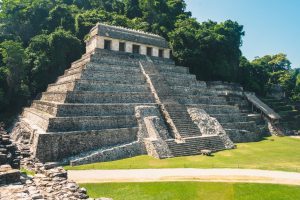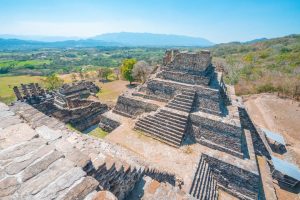
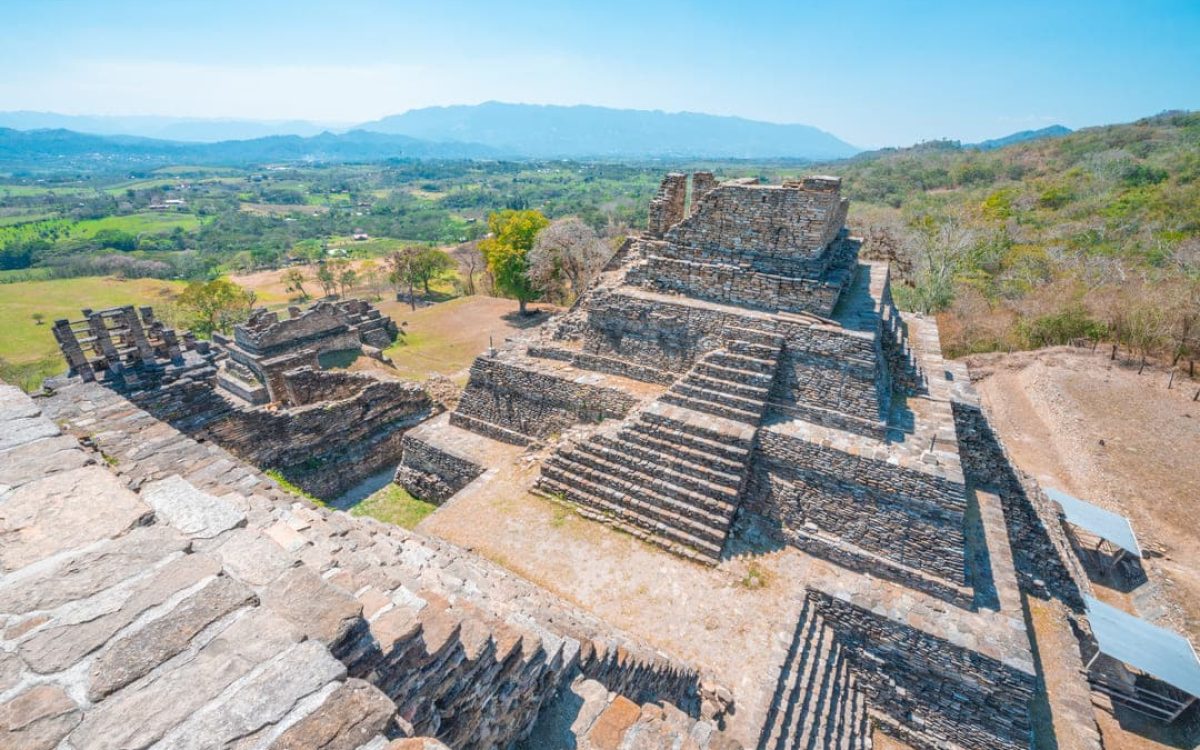
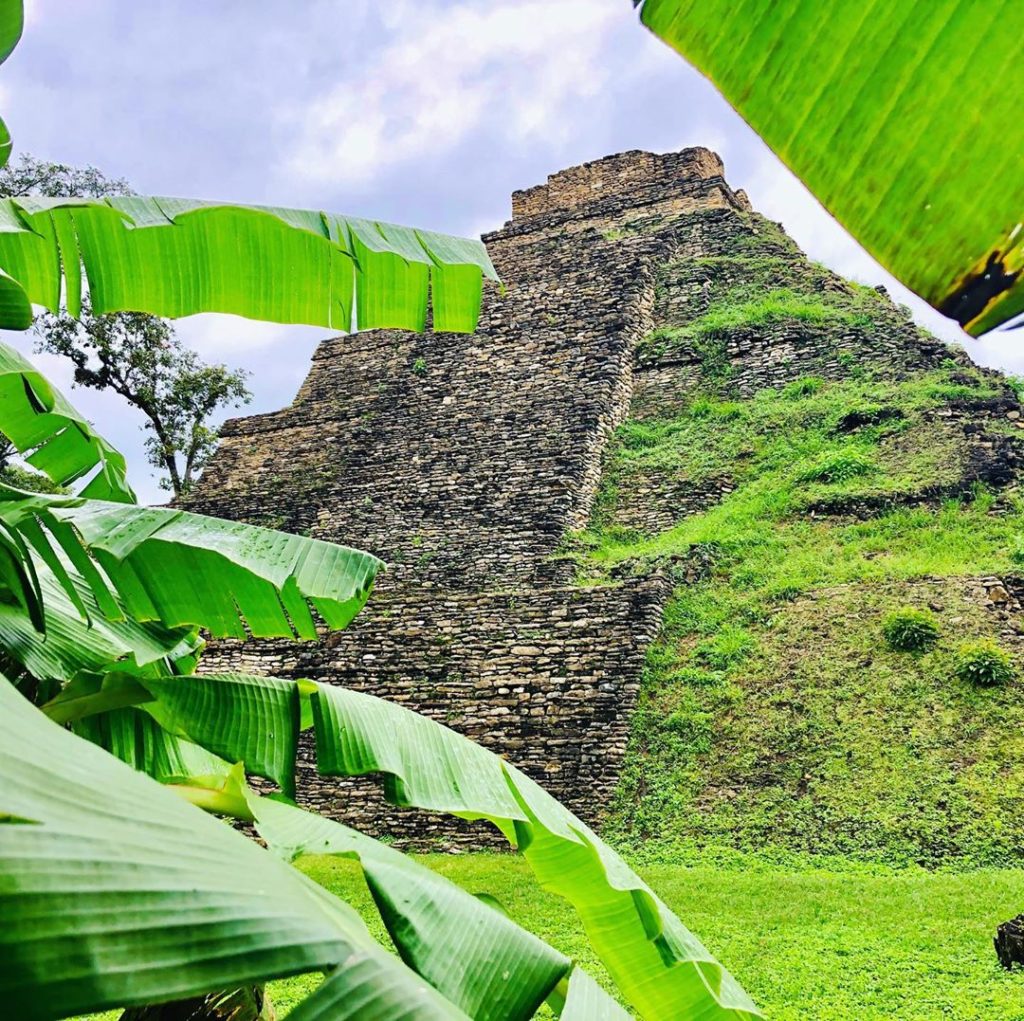
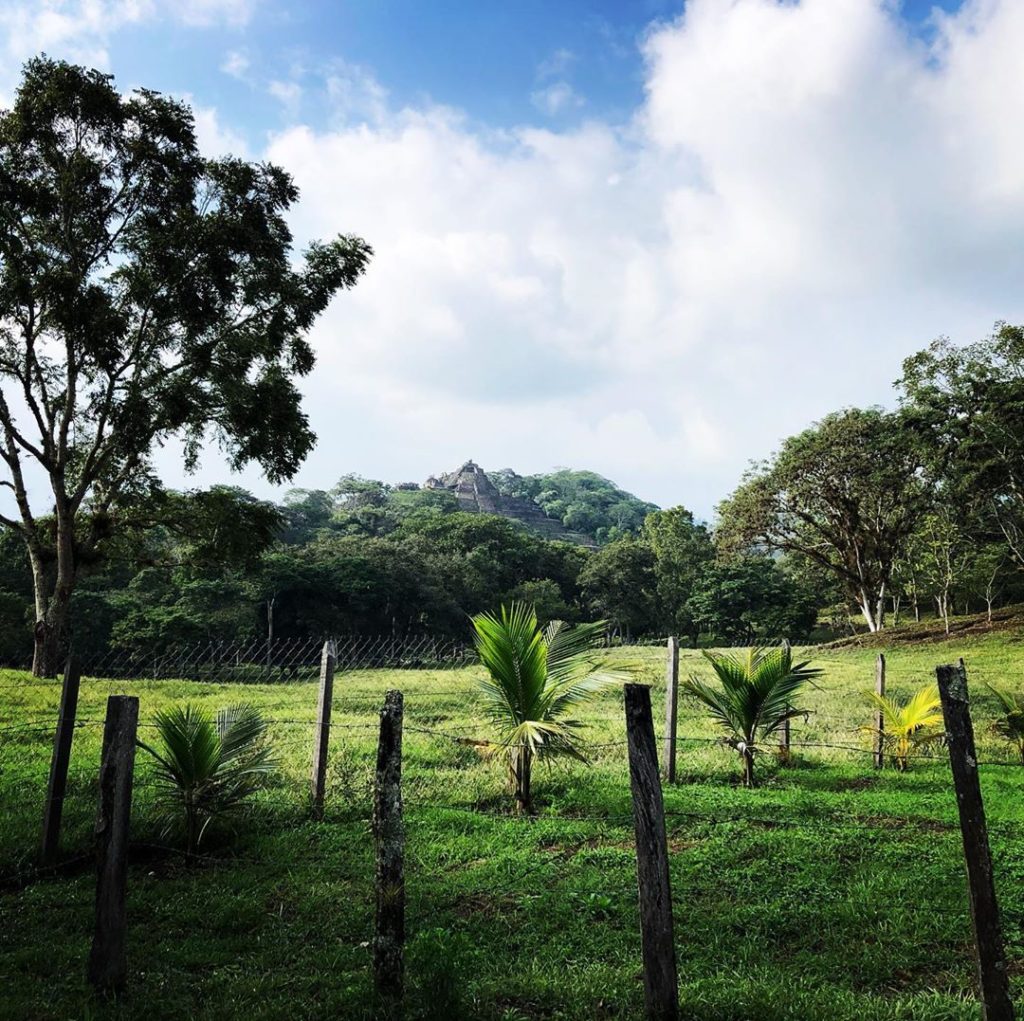
Toniná is a Mayan archaeological site located in Ocosingo, in the state of Chiapas, Mexico. It is home to the tallest pyramid in Mexico, an impressive structure over 70 meters high, spread across seven levels that are still accessible today. Although it isn’t very popular with tourists, the site offers a spectacular view of the Ocosingo Valley from its summit. That’s an excellent reason to visit!
Throughout your visit, you’ll discover sculptures, engravings, discs, murals, and even labyrinths—not to mention the on-site museum, which houses a wide variety of historical artifacts. Toniná thus stands out as one of the most fascinating archaeological sites in Chiapas—and indeed in all of Mexico—offering a remarkable illustration of the evolution of Mayan architecture during the Classic Period.
Despite years of excavations, Toniná has not yet revealed all its secrets. Researchers estimate that the site covers a much larger area, and new excavation campaigns are carried out there every year.
What to Do at the Toniná Ruins?
Climb to the top of the Great Pyramid
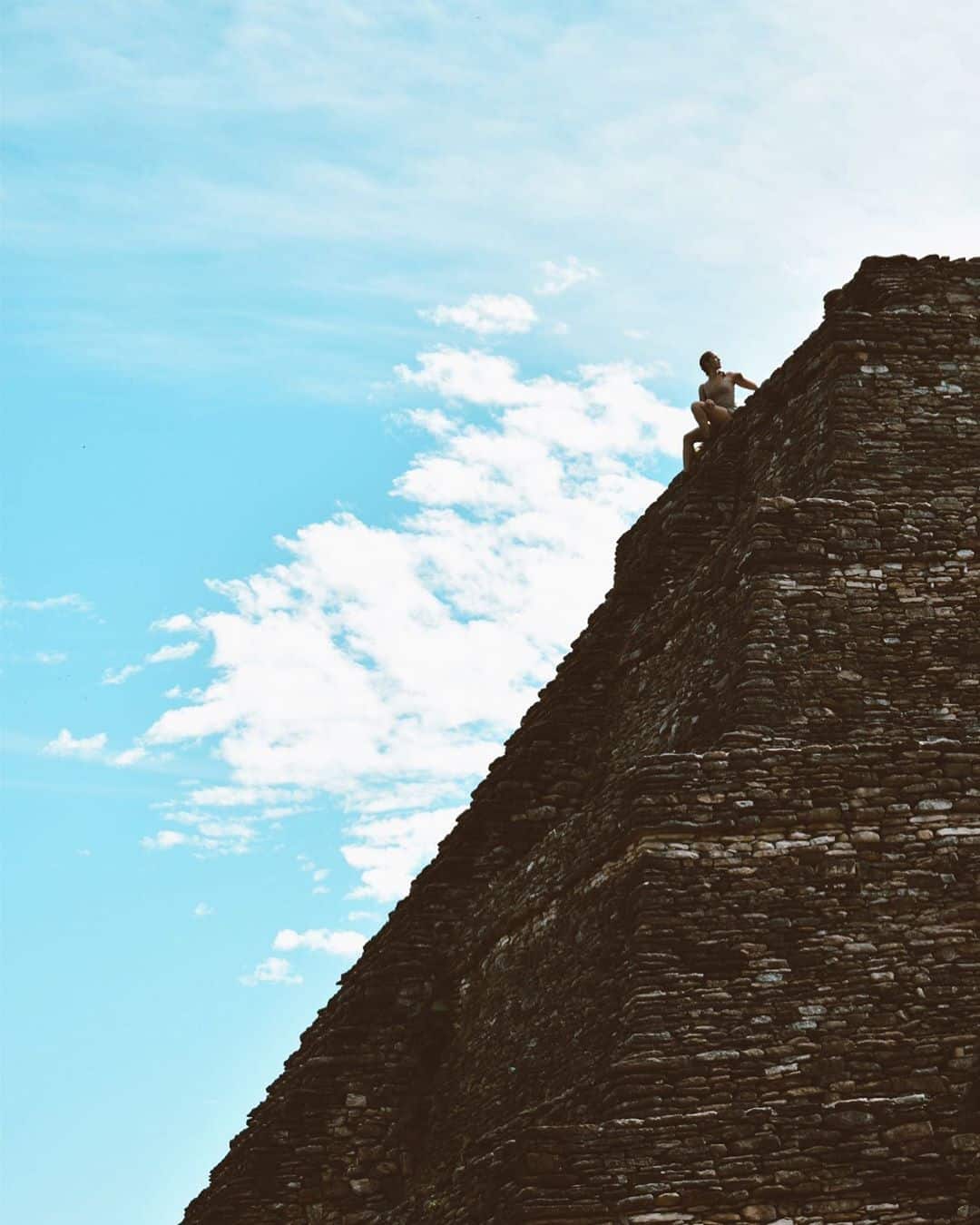
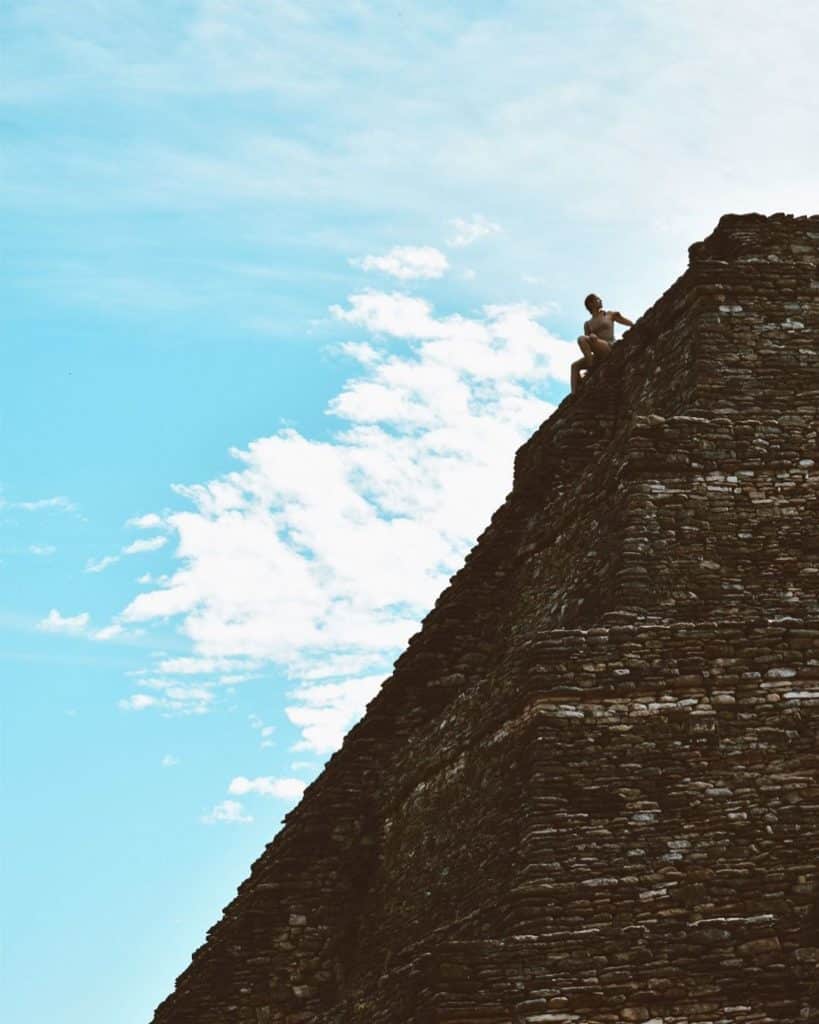
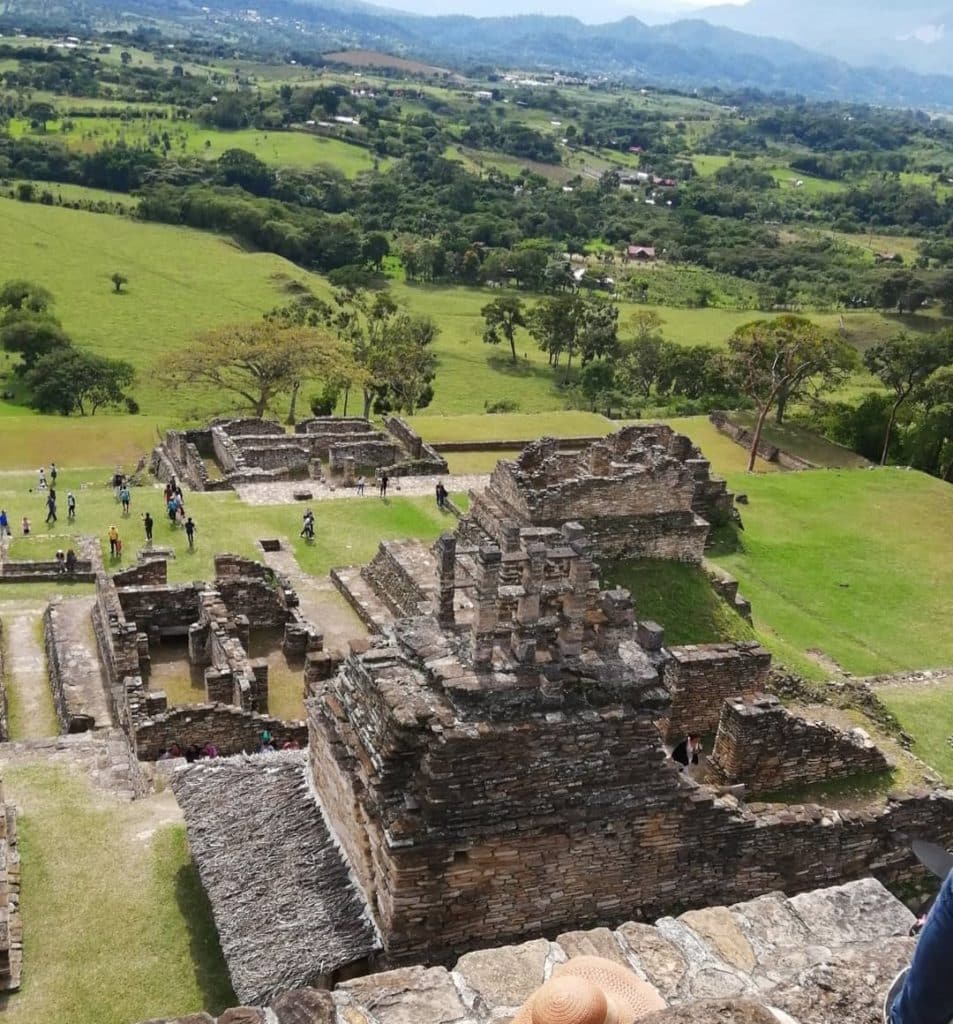
As you climb the 260 stone steps, you’ll reach the top of the Toniná Pyramid, one of the most impressive in Mexico—even taller than the Pyramid of the Sun in Teotihuacán (63 meters) or the one in Cholula, Puebla. This monumental temple overlooks a vast Mayan archaeological site comprising several temples, plazas, and viewpoints that offer spectacular panoramic views of the Ocosingo Valley. These ruins, dating primarily from the 8th century, bear witness to the historic rivalry between Toniná and Palenque, two great Mayan city-states. The climb can be challenging for some people; therefore, it’s advisable to wear a hat to protect yourself from the sun and bring enough water to stay well-hydrated.
Nestled in the heart of the forest, the ancient Mayan city reveals increasingly breathtaking views of the Ocosingo Valley as you climb. Once you reach the summit, the view takes in a magnificent panorama of the surrounding mountains—a sight that will take your breath away.
Ball Game (Ball Game)
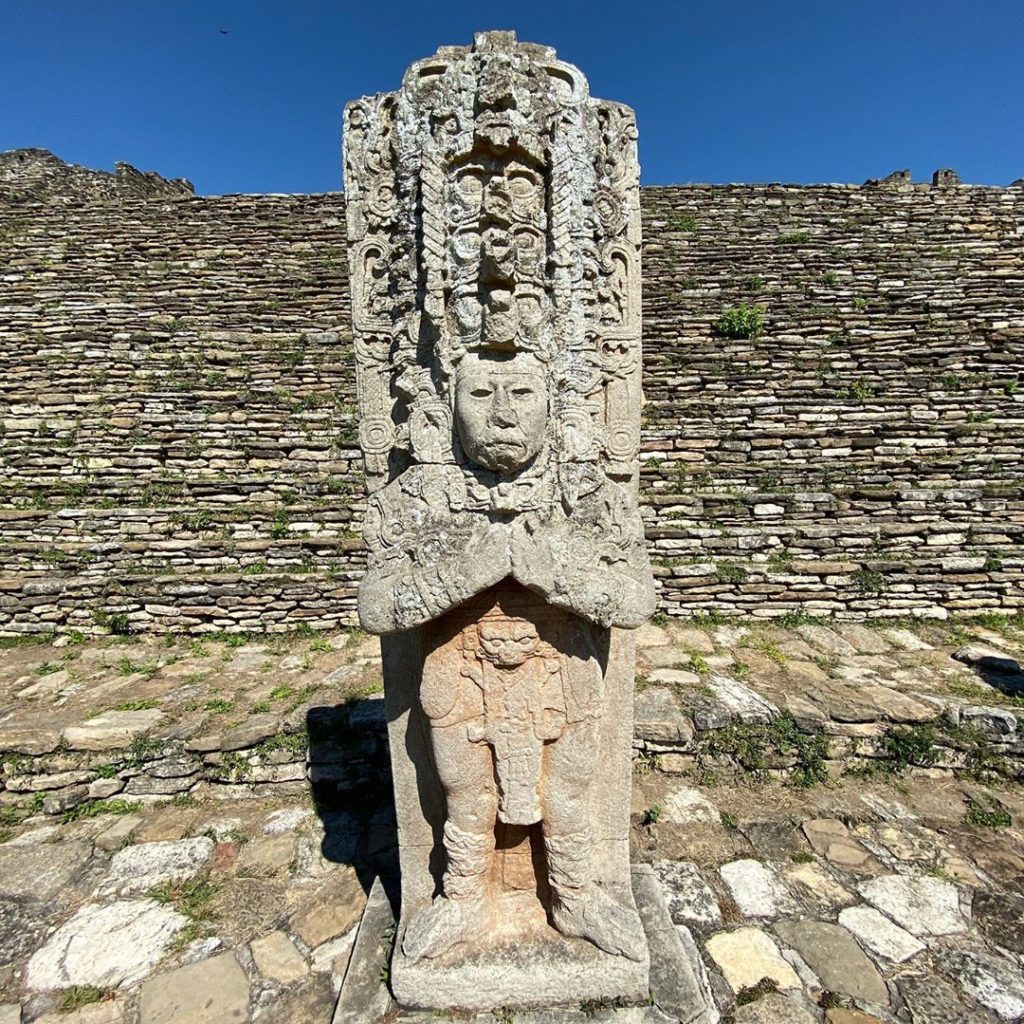
From the moment you enter the site, you feel a bit like an archaeologist on a mission. One of the first things that catches your eye is the ball court, which is over 72 meters long—one of the largest in the Mayan world. Surrounding this sacred area, you can admire impressive statues depicting kneeling captives from Copán and Palenque, two cities that were enemies of Toniná. These prisoners of war, captured during conflicts between cities, were often sacrificed in ceremonial rituals at the Main Temple, located on the hilltop.
It is important to remember that the Maya did not form a unified empire: alliances, rivalries, and wars were common among the city-states. Toniná, in particular, was long at odds with Palenque over control of the Chiapas region.
Inhabited since the 1st century AD, the Toniná archaeological site was occupied until the 16th century, when the Spanish conquistadors arrived in Mexico. Today, it’s a must-see stop on any cultural tour of the region. If you’re not sure whether to include it in your itinerary, check out our page dedicated to this topic, where you’ll find traveler reviews and our practical tips.
Visit to the Ancient Acropolis
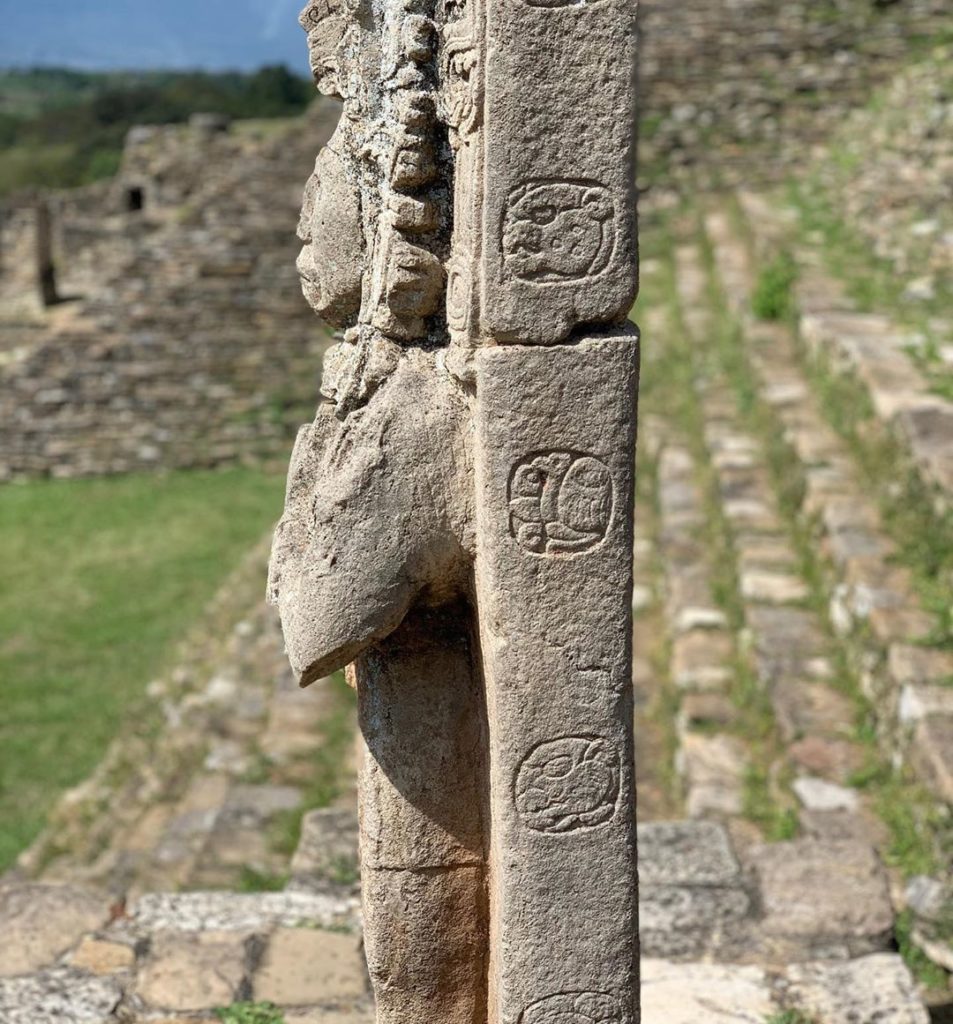
The Great Pyramid of Toniná stands on a hill that, at first glance, may give the impression of housing several distinct structures. However, it is in fact a single monumental building, divided into seven levels, where temples, palaces, residences, and altars once stood. On each level, one discovers marvels of architectural and artistic ingenuity: still-intact mural frescoes, complex structures, and remnants that have endured more than a thousand years of history.
To the north of the complex, archaeologists from CEMCA (Center for Mexican and Central American Studies) have unearthed a secondary temple, offering a new perspective on the urban layout of this ancient Mayan city. Some bas-reliefs found at the site reveal a complex system of symbolic codes characteristic of the Toniná tradition.
One of the most notable works is located on the sixth level: a fresco depicting the myth of the Four Suns. This cosmological narrative depicts the succession of world ages according to Mayan tradition, heralding the arrival of the fourth sun—interpreted by some as a prophecy of the end of the world… on December 21, 2012. Does that ring a bell? This widely held apocalyptic belief has its origins, in part, in the Toniná fresco.
When to go:
- Best time to visit: It's very hot all year round, but from November through February the weather is much more pleasant—ideal for combining your visit with a hike through the surrounding hills or for taking incredible photos of the area at sunrise.
- If you are Mexican, admission to sites managed by the INAH is completely free every Sunday.
- Toniná isn't usually a very crowded place. The last time I went, I was the only person there for two or three hours, which makes the experience even more immersive for those who want to avoid the classic tourist circuits. It’s also an excellent stop if you’re taking several cultural trips through Chiapas or planning a trip focused on archaeology.
- You can get there by car, but be sure to check road conditions carefully before heading out and book your lodging in advance if you want to spend the night nearby. For more traveler reviews and suggested itineraries, feel free to contact us!
How to Get There
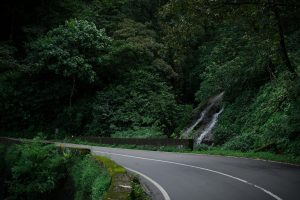
The roads between San Cristóbal de las Casas, Agua Azul, Misol-Ha, Palenque, Tuxtla Gutiérrez, and Toniná are winding mountain roads; stay alert during the trip.
- We recommend that you read our Guide to Driving in Chiapas and Mexico if you decide to rent a car there.
Ocosingo > Toniná
- Toniná is located 12 kilometers from Ocosingo.
- The bus ride takes about 30 minutes.
- From Ocosingo, take one of the buses that drops you off at the entrance to the Toniná archaeological site; the fare is about 15 pesos (approximately €0.60).
San Cristóbal de las Casas > Ocosingo > Toniná
- Toniná is located 106 kilometers from San Cristóbal de las Casas.
- The bus ride takes about 2 hours and 30 minutes. You'll pass through Ocosingo before arriving in Toniná.
Palenque > Ocosingo > Toniná
- Toniná is located 138 kilometers from Palenque.
- The bus ride takes about 2 hours and 30 minutes.
- Just take the bus to Ocosingo, which leaves every 45 minutes from a stop located one and a half blocks from the ADO terminal.
Tuxtla Gutiérrez > Ocosingo > Toniná
- Toniná is located 163 kilometers from Tuxtla Gutiérrez.
- The bus ride takes about 5 hours. You'll pass through San Cristóbal de las Casas and then Ocosingo.
Additional information about the routes
- If you're using GPS, just search for "Tonina Archaeological Site."
- The road is safe, but it has many curves. If you're heading to Misol-Ha or Toniná from Palenque, it's recommended that you avoid driving at night on the roads in Chiapas.
- Because of their proximity and the sites' opening hours, you can visit this archaeological site and either the Roberto Barrios or Agua Azul waterfalls on the same day.
- This isn't always the case, but there may be roadblocks in certain areas, where local residents set up a rope across the road to ask for money. We recommend that you carry some small change with you.
- For more information about these tolls and how to handle them, read our guide on safety during your trip.
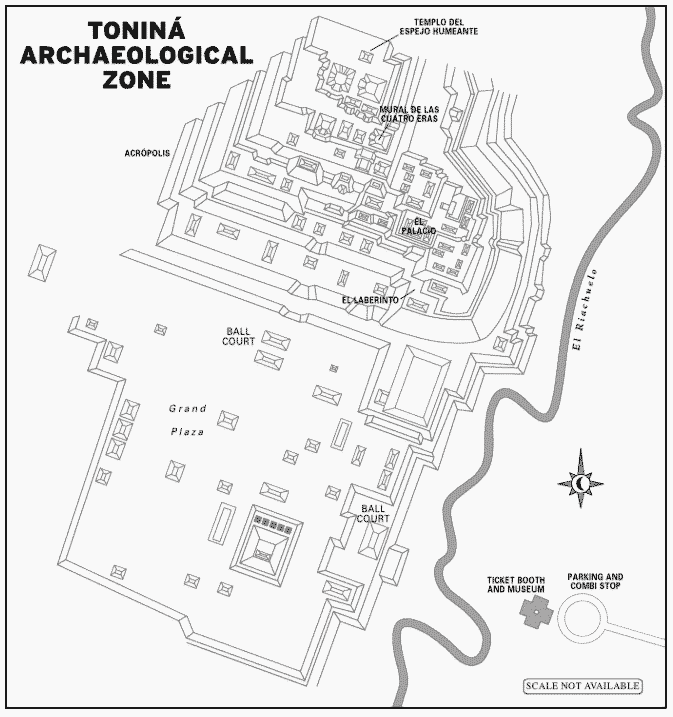
Site Map
Costs
Admission and parking
- Admission to the archaeological site costs 60 pesos (approximately €2.30) per person
- Local tour guide: Between $100 and $200 pesos (between €4 and €8)
- Parking: Free
Guided Tour
There are tours that depart from San Cristóbal de las Casas, but they last about 10 hours, aren’t offered every day, and, in my opinion, are still relatively expensive.
Our Tips
- If you're planning to travel for several days, we recommend that you avoid standard round-trip airline tickets. The best option is to arrive in Villahermosa and depart from Tuxtla Gutiérrez—or vice versa—to make the most of your travel.
- If you're thinking about taking a tour with a tour operator, we recommend choosing a tour that departs from Palenque. The trip is shorter, and prices are usually lower than if you depart from San Cristóbal de las Casas, where you can expect a road trip of more than six hours.
- For independent travelers, please note that the admission price does not include a guide. However, local guides are available on site, with rates ranging from 100 to 500 pesos per group (that is, between €4 and €20).
- Don't forget to wear comfortable shoes and light clothing: even in winter, the heat is stifling, made worse by the jungle's humidity.
- Be sure to bring your own water bottle, as drinks are not sold on the grounds. Finally, don't forget your sunscreen and a hat: the grounds are very large, and you'll be spending several hours in the intense sun.
Accommodations
Keep in mind that there aren’t many lodging options in Ocosingo, a small town located halfway between Palenque and San Cristóbal. However, it’s a good option if you want to spend the night very close to the Toniná archaeological site, without having to head back to the highway after a day of exploring.
Some travelers prefer to include Toniná in a broader itinerary starting from Mexico City, combining visits to Toniná, Misol-Ha, Agua Azul, and Palenque. In that case, it’s best to book accommodations in advance for each leg of the trip, especially during holidays or Holy Week.
If you’re looking for a more comfortable stay or one with more amenities, you can also choose a hotel in Palenque and then visit Toniná on a day trip.
Where to Eat
We recommend that you have a hearty breakfast in Ocosingo before heading out to visit the ruins. The city has several local eateries near the main market, which are ideal for grabbing a bite to eat early in the morning—especially if you plan to take a walk through the archaeological site afterward.
Some hotels in the city center also include breakfast in the nightly rate, which can be convenient if you plan to start your day early—especially if you’re going on a tour that takes you through Toniná, the Agua Azul waterfalls, or Misol-Ha.
If you’re traveling by car, you’ll find a few places to eat along the road between the archaeological site and the city. They’re usually run by very friendly locals who are used to welcoming both families and groups of tourists. Some even offer craft workshops or tastings of local specialties.