Behind the country’s flag and motto, tequila is undoubtedly one of the greatest symbols of Mexican identity. This uniquely flavored drink has made Mexico famous, and is now exported all over the world.
To remember
- Tequila is made exclusively from blue agave(Agave tequilana Weber), which takes 7 to 10 years to mature.
- The agave hearts, known as piñas, are steamed and then ground to extract a fermentable sweet juice.
- Fermentation of the agave juice lasts from a few days to over a week, depending on the method, and results in a 4-7% alcohol “beer”.
- The tequila is then distilled, usually in an iron still, in compliance with Mexican legislation.
- Aging in oak casks or foudres produces the main tequila families: blanco, reposado and añejo.
- Making tequila takes time, experience and a great deal of patience: each glass is the culmination of years of work in the fields and at the distillery.
The tequila-making process from A to Z
How does one go from a pungent plant in the middle of the Mexican desert to a golden spirit that thrills the taste buds? The tequila-making process follows a number of key stages, from the harvesting of the agave plant to barrel aging.
We’re going to follow this process in three main phases: harvesting and cooking the agave hearts, fermentation and distillation, then aging and bottling.
Tequila isn’t just an evening shot: it’s at least seven years of sunshine, patience and know-how in a small glass.
Arnaud Joly
First step: harvesting the agave hearts
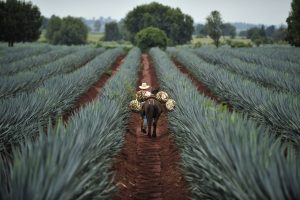
It all begins in the fields ofagave tequilana, better known asblue agave. This plant, a member of the Agavaceae family, grows in the hot, arid lands of Mexico and can live between 7 and 10 years. Only when it reaches maturity can it be harvested to produce tequila.
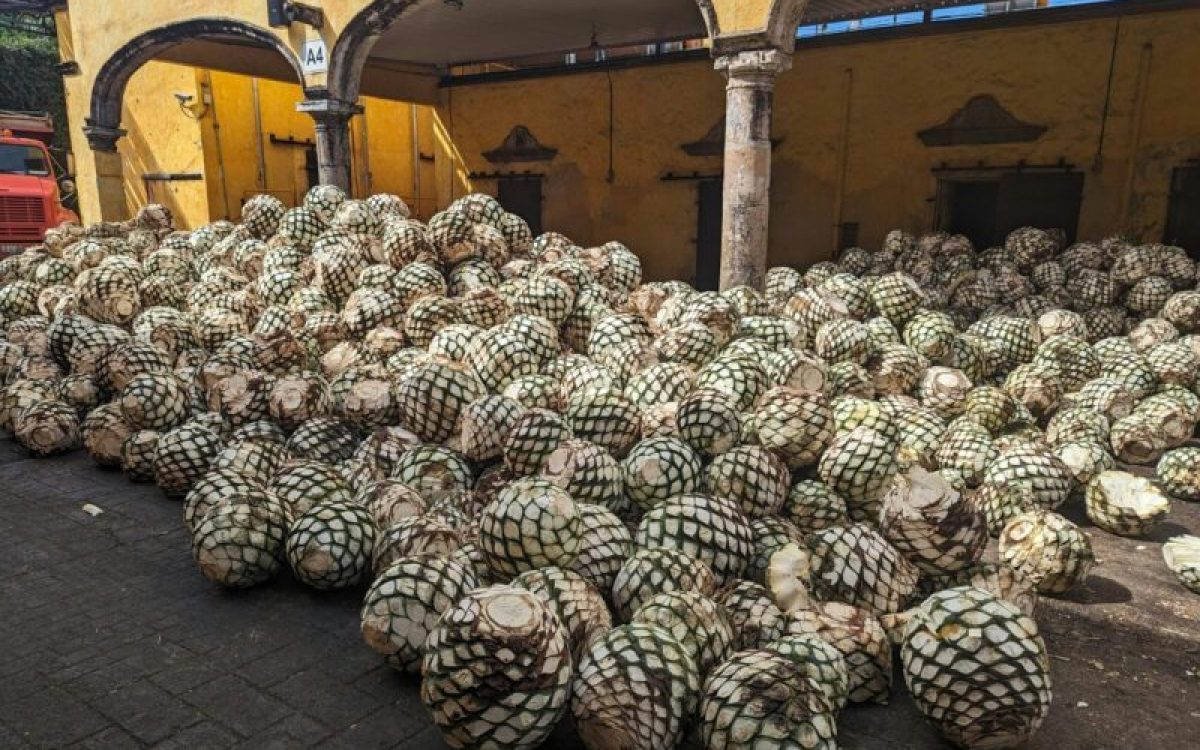
The jimadores, or specialized workers, cut off the leaves, leaving only the heart of the plant: the piña (which looks like a huge pineapple). It is in these cores that the sugars needed for fermentation are concentrated.
As a guide, around 70 kg of piñas are needed to produce 10 liters of tequila. Once extracted, the piñas are transported to the steam oven for cooking.
Cooking can be :
- Traditional: 50 to 72 hours in a masonry or autoclave oven.
- Industrial: 12 to 48 hours in modern, faster furnaces.
This crucial stage transforms the agave’s complex sugars into fermentable ones. Once cooked, the softened piñas are ground and sprinkled with water, usually three to four times, to extract a sweet juice sometimes called “agave honey”.
When you visit an agave kiln, you realize that the sweet smell wafting through the air is already the first promise of the glass of tequila to come.
Arnaud Joly
Second stage: fermentation and distillation
Once the agave honey has been obtained, the fermentation phase begins. The sweet juice is placed in large vats, where yeast transforms the sugars into alcohol.
Fermentation time varies according to the method used:
- Industrial distillery: between 2 and 5 days.
- Traditional methods: up to 12 days.
At the end of this phase, a sort of “agave beer” is obtained, with an alcohol content of around 4-7%. This liquid must then be filtered, before moving on to the next stage: distillation.
Technically, it is possible to use different types of stills (column, repasse). But Mexican legislation on tequila is strict: In particular, it restricts the use of repasse stills, which are widely preferred to respect the appellation.
Tequila is generally distilled twice, to concentrate the alcohol, eliminate impurities and refine the aromatic profile. and refines the aromatic profile of the future spirit.
Fermentation is the invisible phase of the miracle: nothing really moves before your eyes, but it’s here that agave juice becomes a living spirit.
Arnaud Joly
Third stage: ageing and bottling
After distillation, the result is a young, clear tequila, full of vegetal freshness. It’s at this stage that aging takes place, a decisive factor in the drink’s color, aromas and final style of the drink.
Depending on the duration and conditions of aging, there are several main categories:
- Tequila Blanco (or “silver”): aged for a minimum of 60 days, often bottled quickly.
- Tequila Reposado: aged from a few months to around 1 year in casks.
- Tequila Añejo: aged from 3 to 10 years, sometimes longer for the most ambitious versions.
To age tequila, we mainly use :
- Oak casks (new or used), with a capacity of around 180 to 200 liters.
- Tuns holding up to 20,000 liters of alcohol.
Once the aging period is over, the tequila is filtered if necessary, then bottled. It is then ready to be sold… or enjoyed.
In a well-aged tequila, you taste time itself: years of wood, warmth and patience concentrated in a single glass.
Arnaud Joly
It’s easy to see why tequila-making is far from a simple task: it requires tact, experience and a good dose of patience. But with these basic steps in mind, you’ve already got the key to understanding – or dreaming of producing – your own tequila, one of Mexico’s most famous spirits.
Summary table of the main types of tequila
| Type of tequila | Ageing time | Container | Typical flavor profile |
|---|---|---|---|
| Blanco | 60 days minimum, often little or no aging | Stainless steel tanks or very short rest in barrel | Fresh notes of agave, herbs, citrus, lively mouthfeel |
| Reposado | From a few months to about 1 year | Oak barrels (180-200 l) | Balance between agave and woody notes, vanilla, mild spices |
| Añejo | From 3 to 10 years, sometimes more | Oak barrels or foudres | Complex aromas of dried fruit, walnut, caramel, toasted wood, round and long on the palate. |
FAQ – How tequila is made
Why is only blue agave used for tequila?
Tequila is a controlled designation of origin: it must be produced fromAgave tequilana Weber, known as blue agave, grown in defined regions of Mexico. This guarantees a consistent aromatic profile and protects local know-how.
What’s the difference between blanco, reposado and añejo tequila?
The main difference lies in the aging process and the time spent in oak barrels. Blanco tequila is aged very little, while reposado spends a few months to a year in casks, and añejo ages for several years, giving it a more amber color and more complex aromas.
How long does it take to produce tequila?
It takes 7 to 10 years for the blue agave to mature in the fields. This is followed by cooking, fermentation, distillation and aging (from 60 days to several years). All in all, a tequila can represent more than a decade of work from planting to first tasting.
Can you make tequila at home?
Technically, it’s possible to ferment and distill an agave-based spirit, but tequila is a protected appellation: to bear this name, the drink must be produced in specific regions of Mexico and comply with strict regulations. So you can’t legally call a home-made product “tequila” at home.
Why is tequila often distilled twice?
Double distillation helps to separate undesirable compounds, concentrate the alcohol and clarify the aromatic profile. Some houses may carry out a third distillation to further refine the product, but double distillation is the most common standard.
What’s the difference between 100% agave tequila and “mixto” tequila?
100% agave tequila is produced using only agave sugars. Mixto tequila may contain sugars of non-agave origin (up to a certain percentage). Connoisseurs generally prefer 100% agave tequilas for their purity and more faithful expression of the plant.
Further information
To understand how tequila is made is to taste it in a different way: behind every bottle, there are agave fields, jimadores, smoking ovens, singing stills and casks waiting in the shadows.
With your next drink, take a moment to imagine the journey this beverage has taken, from the Mexican desert to your table.
Tequila isn’t meant to be drunk in a second: it’s meant to be told, sniffed, savored, and then only swallowed.
Arnaud Joly