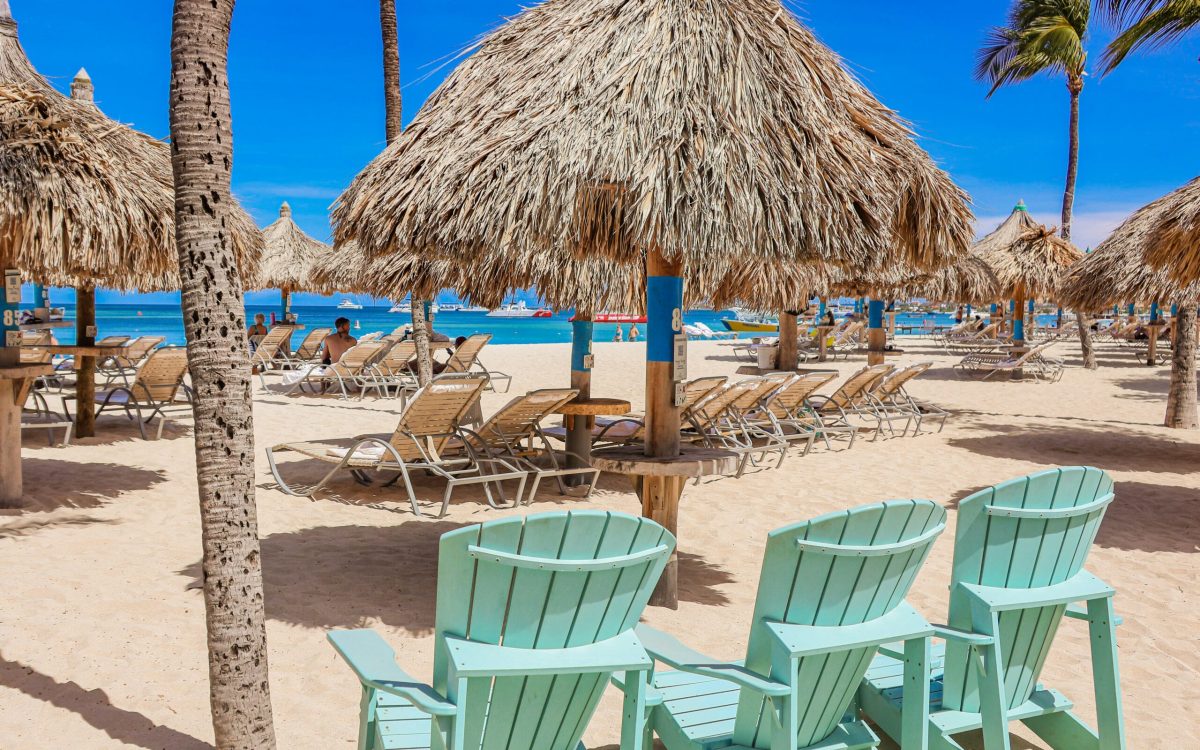
A palapa is a structure open on the sides, covered with a roof made of palm fronds or straw. A fixture of Mexican culture for centuries, it is prized for the coolness it provides and its close connection to nature.
Thanks to its simple, natural, and inexpensive materials, the palapa quickly established itself as an ideal shelter in warm climates. Its thatched roof effectively shields from the sun while allowing air to circulate, making it a highly sought-after structure in beach areas.
Over time, the palapa has spread far beyond its place of origin. Today, it can be found in hotels and restaurants as well as in private homes and ranches, where it serves as a place for rest, socializing, or relaxation by the sea.
This guide explores the origins of palapas, the materials used to build them, and the key features to consider when constructing a structure that is durable, cost-effective, and pleasant to live in.
The Origin of Palapas in Mexico
The word “palapa” comes from the Malay language, spoken in Southeast Asia, particularly in the Philippines. It literally means “fleshy leaves” and refers to the overhanging roof built with dried palm leaves.
The first palapas emerged in the Philippines as beachfront dwellings where one could even sleep sheltered from the sun. Their arrival in Mexico is linked to trade exchanges during the post-conquest era, when the most lucrative route between Spain and Asia passed through Mexican territory.
Throughout these voyages, thousands of Spaniards and Asians frequented the coasts of Mexico. This constant contact between cultures fostered the exchange of ideas and techniques, one of the most notable of which, in architectural terms, was the introduction of palapas.
In Mexico, these structures resembled ancient indigenous homes while using materials that allowed air to circulate freely. Consequently, they adapted very well to the climate, especially in coastal regions. Today, palapas can be found on most beaches and at many hotels seeking to offer a rustic and breezy atmosphere.
Palapas have also spread to other countries in Central America, particularly in areas with idyllic beaches, and it is common to see them on cattle ranches, where they serve as shaded resting areas.
Materials and Construction of a Palapa
The essential characteristic of a palapa is the use of natural materials that are easy to find and suited to warm climates. In the past, these materials were simply gathered from nature without any special precautions. Today, there are timber plantations dedicated specifically to this type of construction, and there are retailers specializing in ready-to-use dried palm leaves.
The dried leaves are carefully cut so as not to damage the bush and to allow the plant to continue producing new leaves. To build a palapa, the following elements are generally needed:
- Dried palm fronds, from coconut, banana, or royal palm trees, for example, or straw used as an alternative.
- Bamboo or wooden poles, which serve as the supporting structure.
- Ropes made of vines or sisal fibers, or even wire mesh to secure the roof.
Over time, artisans have perfected the construction of palapas. The posts are usually coated with varnish, which, based on their experience, helps prolong their durability against extreme weather conditions, whether intense heat, humidity, or strong winds.
Characteristics of Palapa Construction
The construction of a palapa is based on simple principles, but ones that are important for ensuring its stability and durability. The size, choice of wood, and care taken in finishing the posts directly influence the structure’s strength.
- Determine the desired size of the palapa, as this determines the number of bases and holes that must be dug for the posts. Generally, between four and six posts are used.
- Choose posts that are thick enough to support the weight of the thatched roof.
- Allow for a length of two to three meters for each post to ensure a comfortable height under the structure.
- Choose solid wood that can withstand heat, cold, rain, and strong winds.
- Sand the posts thoroughly to remove splinters and sharp edges, which improves safety and the finish.
If you follow these steps, you can build a simple, affordable, and durable palapa suitable for both a private garden and a larger space, such as a beach or a ranch.
Types and Uses of Palapas
Palapas have been passed down from generation to generation in many regions of Mexico. Their primary purpose remains to provide a cool space, even in the hottest climates. Over the years, different types of palapas have emerged, ranging from the most traditional versions to more luxurious structures.
Some models still use simple materials, while others incorporate elements that give them a more elegant look, without sacrificing the thatched roof that defines their identity. This flexibility explains why they are found in such a wide variety of settings.
In homes, palapas are often used as relaxation areas, outdoor kitchens, or family gathering spots, valued for their moderate cost and ease of construction. In hotels, palapas are larger than traditional versions, offering a rustic atmosphere while providing cool relief to visitors.
On beaches, they often serve as seaside shelters where one can enjoy the breeze and sand while remaining protected from the sun. The balance they create between nature and modernity, combined with their ability to cool the space, makes them a particularly suitable solution for warm climates.
These elements help provide a better understanding of what a palapa is, where it comes from, and how it is built. If you still have questions, you can always consult local artisans for advice tailored to each project.